



Micro-learning turned into a practical fix for people who want to learn steadily without carving out big time slots. It splits the process into short bites that drop easily into daily life. Here are the core ideas that make the method work, then a breakdown comparing nine leading platforms that deliver learning this way.
What Smarter Learning Looks Like in Practice
The micro-lesson method supports ongoing skill and knowledge development. It uses short daily sessions instead of rare long ones.
Short 5–15 Minute Blocks
Learning slots into existing small parts of your day. Short, focused lessons eliminate the barrier of needing hours free. Each block teaches one idea, so it stays manageable.
Learn → Do → Reflect
After the lesson, you immediately practice with a task or quiz. Then review what worked. This active process helps information become usable skills.
Consistent Small Steps
Results come from regular effort, not intensity. The focus is on gradual accumulation. Daily or near-daily sessions lead to dependable long-term progress.
Top 9 Platforms Built Around Micro Lessons
All nine apps use short lessons, but their focus and format vary. We compare their key aspects so you can match one to your needs.
1. RiseGuide
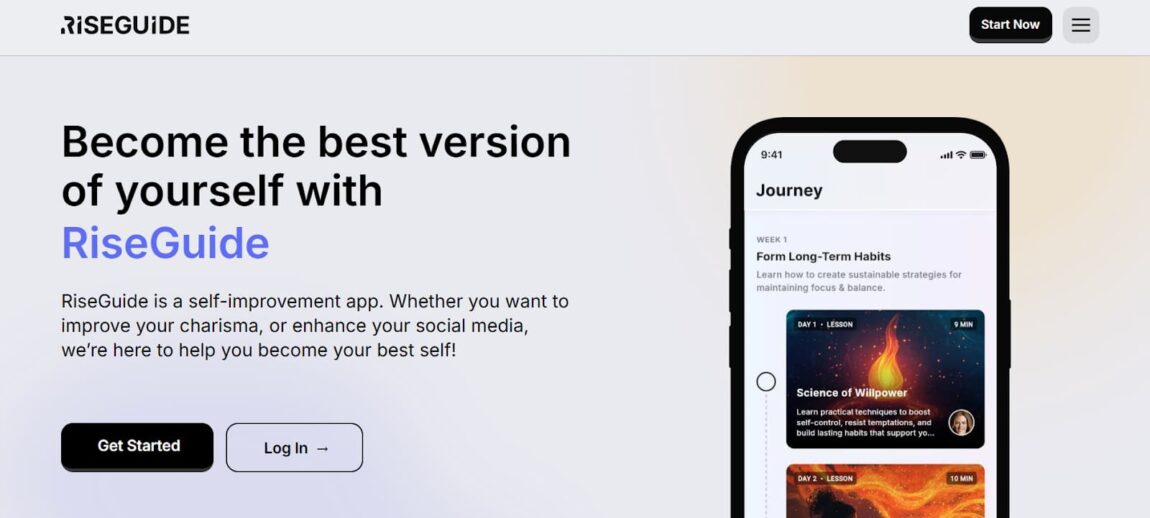
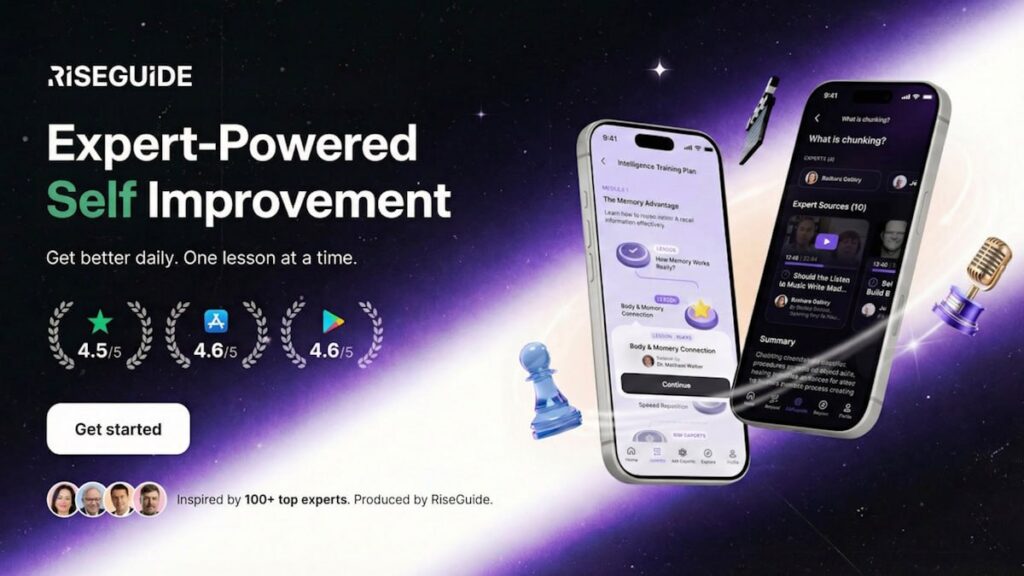
RiseGuide gives you short daily lessons for self-improvement. The format is micro-learning: quick sessions that actually fit into real life. It takes solid expert knowledge on communication, confidence, charisma, intelligence, and memory, and turns it into simple, practical steps you can do every day without much hassle.
You get structured paths to follow, plus interactive bits to keep things engaging. Then there’s SEEK — basically a search tool built in. Type your question or topic. It pulls back clear answers from reliable research and real experts, with sources listed. Makes the whole daily growth thing less vague and more doable.
Pros
- Bite-sized daily lessons in communication, confidence, charisma, intelligence, and memory
- Draws on methods from neuroscientists, authors, strategists, and world-class performers
- SEEK: instant searchable answers from trusted research and expert sources
- Interactive tools — frameworks, templates, exercises, to-dos, quizzes, videos, workbooks, flashcards
- Explore section with a wider library of expert lessons on various topics
Cons
- Needs consistent daily use to see results
- Progress feels gradual, not instant
- The lesson library can seem overwhelming at first
- Insights may need personal adaptation to fit your goals or experience
2. Masterclass
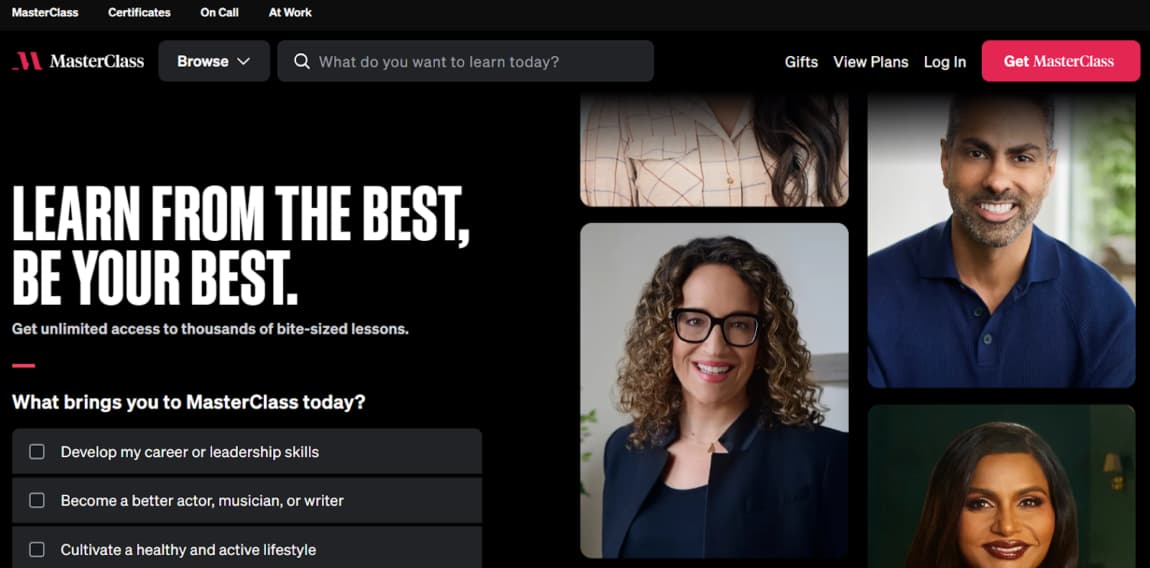
MasterClass is a subscription service with video courses taught by well-known experts and celebrities. Classes use high-quality production and include personal stories along with professional advice. Topics include writing, cooking, arts, business, and similar fields. Users watch at their own pace, mainly by observing and taking in inspiration.
Pros
- Professionally filmed and edited classes
- Taught by renowned, iconic instructors
- Hundreds of topics: arts to business strategy
- Unlimited access with one membership
- Self-paced, multi-device, offline viewing
Cons
- Mostly lecture-style, limited hands-on practice
- Annual subscription only (no monthly)
- Varies in depth — often more inspirational than technical
- Low interactivity: little feedback or collaboration
3. Mindvalley
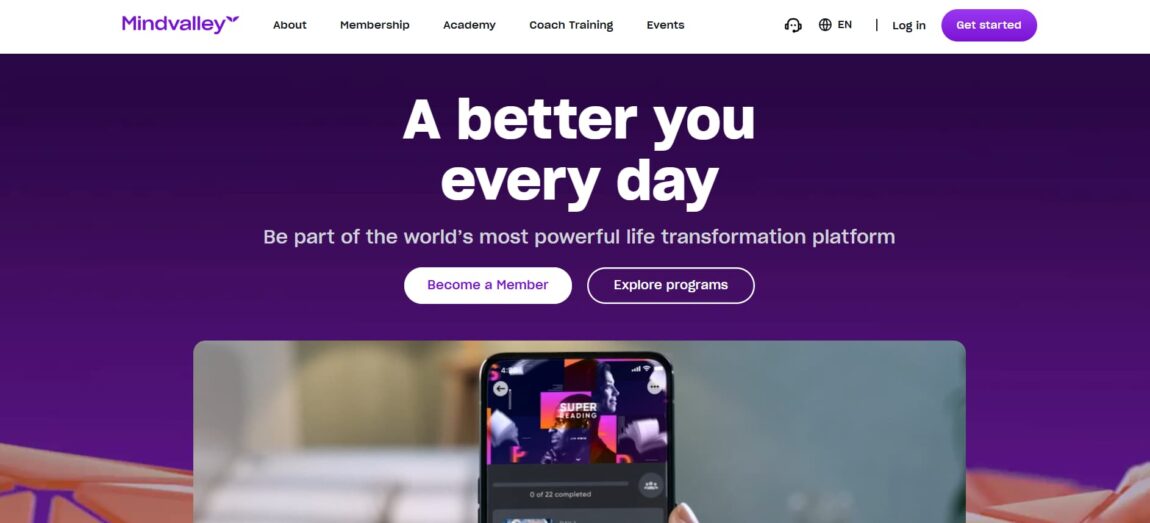
Mindvalley offers personal growth through programs named Quests. It targets holistic areas like mindset, physical health, and relationships with daily micro-lessons, meditations, and community support. Content comes from recognized experts. The platform lays out clear frameworks so the learning turns into real, lasting changes in routine.
Pros
- Daily micro-lessons under 20 minutes
- Focus on personal growth, wellbeing, spirituality
- Broad topics: entrepreneurship, relationships, mindfulness
- Active global community + live events
- Free masterclasses and trial often available
Cons
- Higher subscription and certification costs
- Less emphasis on job-specific skills
- Large library can feel overwhelming
- Some complaints about customer support/billing
- Results vary greatly between users
4. Studio.com
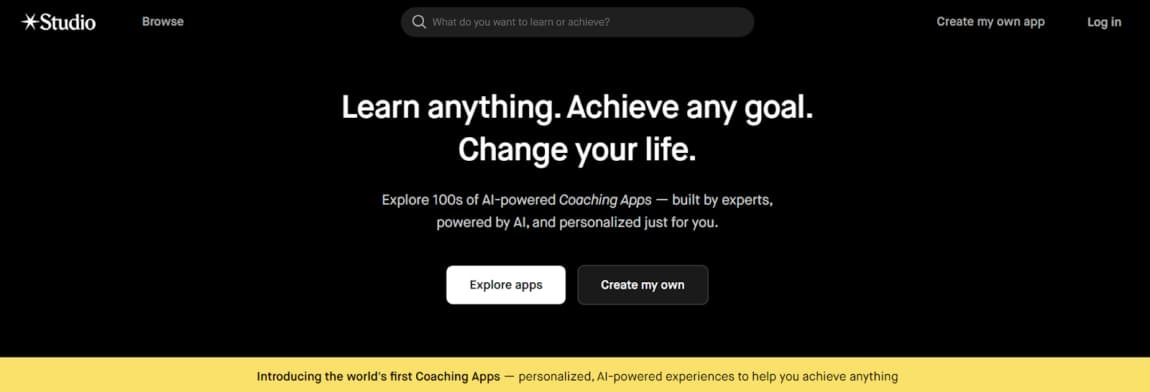
Studio.com provides online courses for creative skills. Courses last 30 days and center on building a project — song, film, photograph, etc. Established professionals from the industry lead them. The method relies on doing the work yourself. A community feature allows sharing and feedback.
Pros
- Project-based: build real work from day one
- Taught by experienced creative professionals
- Fixed 30-day structure with clear deadlines
- Peer community for sharing and feedback
- Early refund option if it’s not the right fit
Cons
- Expensive per course
- Intensive 30-day commitment
- Feedback from instructors is sometimes limited
- Small catalog, mostly creative arts
- May lack basics for total beginners
5. Brilliant
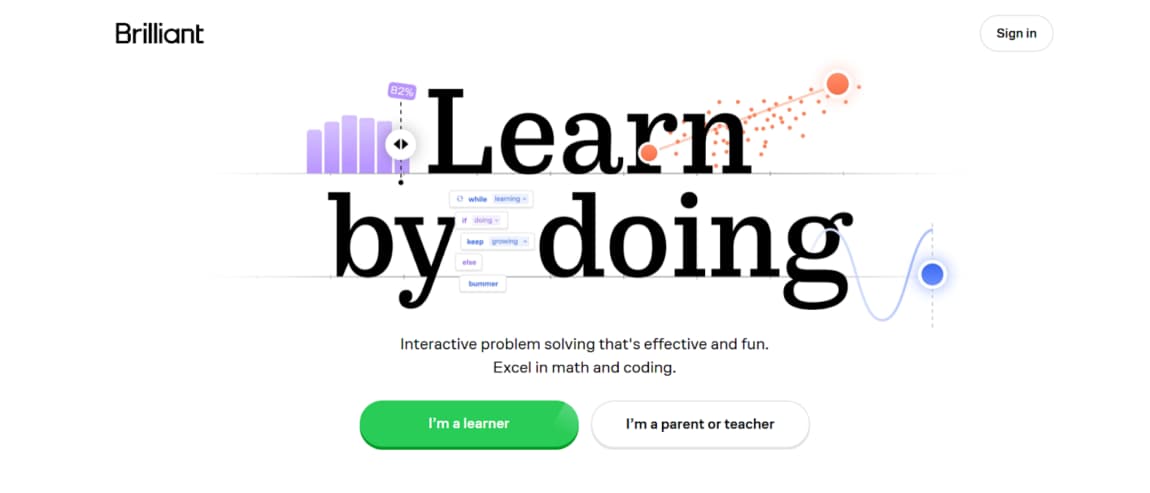
Brilliant teaches STEM by making you solve problems. Forget passive watching. You’re thrown into interactive lessons—puzzles and challenges for math, science, and coding. The concepts build logically, one after another, and the platform adjusts the practice as you go. You learn because you’re actively engaged, not because you’re being told something.
Pros
- Problem-solving-first with instant feedback
- Strong focus on STEM (math, data, computer science)
- Adaptive challenges match your current level
- Mobile-friendly, self-paced daily learning
- Builds logical reasoning through puzzles
Cons
- Limited to STEM subjects only
- Requires a paid subscription
- No live teachers or tutoring
- Some lessons move fast with thin explanations
6. Blinkist
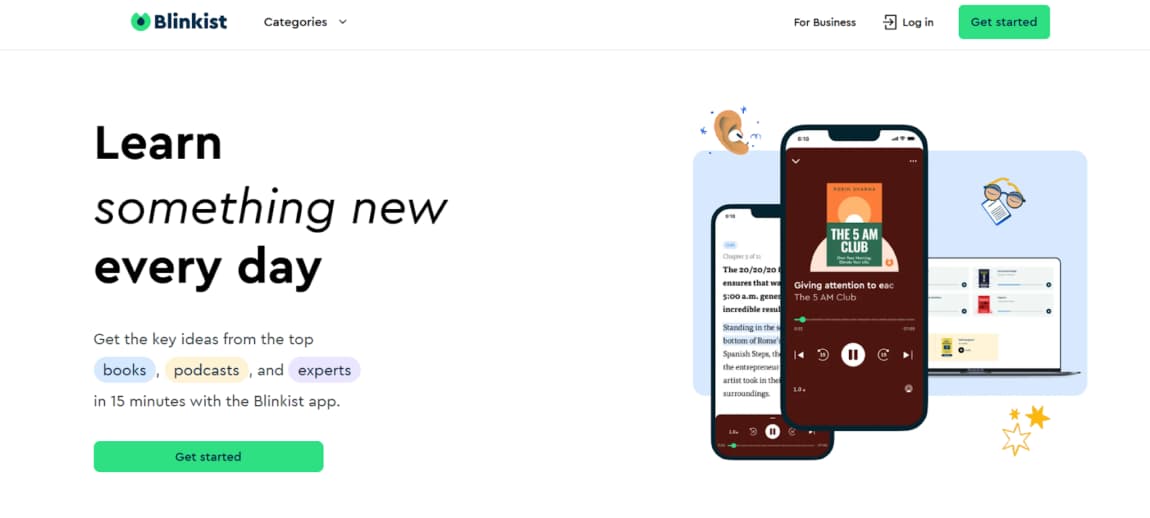
Blinkist is a micro-learning service that distills the core ideas from nonfiction books into compact, 15-minute summaries called “Blinks,” available in text or audio. It enables busy individuals to grasp essential insights from a vast library across business, psychology, and personal growth, facilitating efficient knowledge discovery.
Pros
- Key insights in 15-minute formats
- Thousands of curated book summaries, regularly updated
- Audio versions + offline downloads
- Simple, intuitive mobile app
- Free trial available
Cons
- Misses full book depth and nuance
- Full access requires a subscription
- Some summaries oversimplify complex ideas
- Mostly nonfiction, little fiction, or academic depth
- May reduce motivation for deep reading
7. Imprint
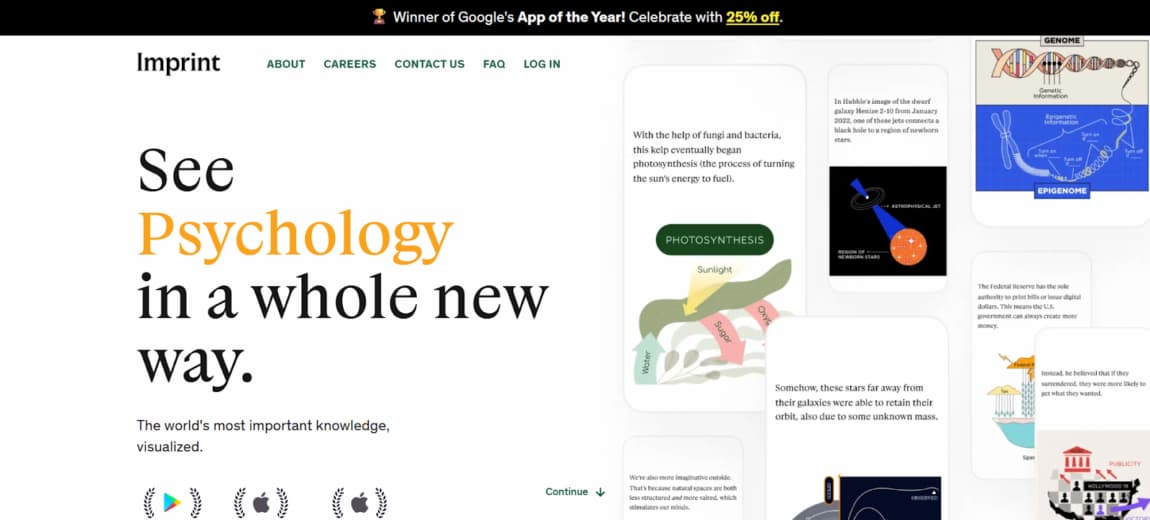
Imprint explains complex topics from books and experts using visual, bite-sized lessons. It covers areas like philosophy and finance through short, interactive sessions and quizzes, making the information quick to learn and remember.
Pros
- Elegant graphics + short slides for better retention
- Covers psychology, finance, science, and personal growth
- Quizzes and progress tracking build daily habits
- Google App of the Year winner
- Lessons finish in minutes, perfect for breaks
Cons
- Stays surface-level, lacks depth
- Paid subscription required after trial (some find it pricey)
- Smaller content library than competitors
8. Kinnu
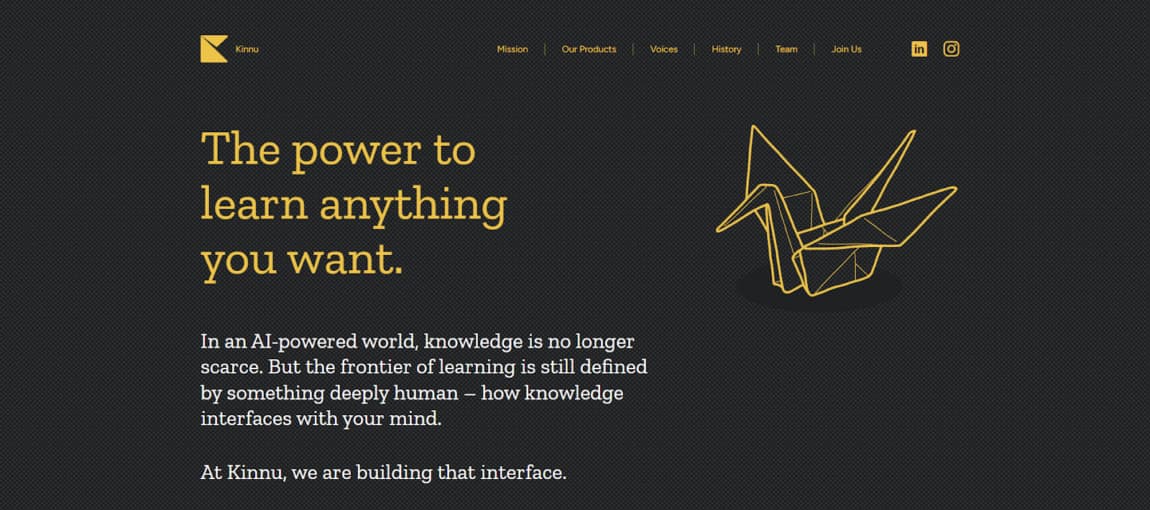
Kinnu is designed around cognitive science for effective learning. It employs an adaptive engine with spaced repetition and active recall to provide micro-lessons, focusing on durable knowledge retention and consistent daily practice.
Pros
- Uses spaced repetition + active recall for better retention
- Short daily reading/audio lessons fit into routines
- Wide range: AI, philosophy, history, professional skills
- Builds daily habit with tracking and short sessions
- Core content is fully free
Cons
- Focuses on breadth, not deep expertise
- Knowledge/retention only — no hands-on skills
- English-only, no other languages
- No live teachers or coaching
- Quiz-based gamification may not suit everyone
9. Deepstash
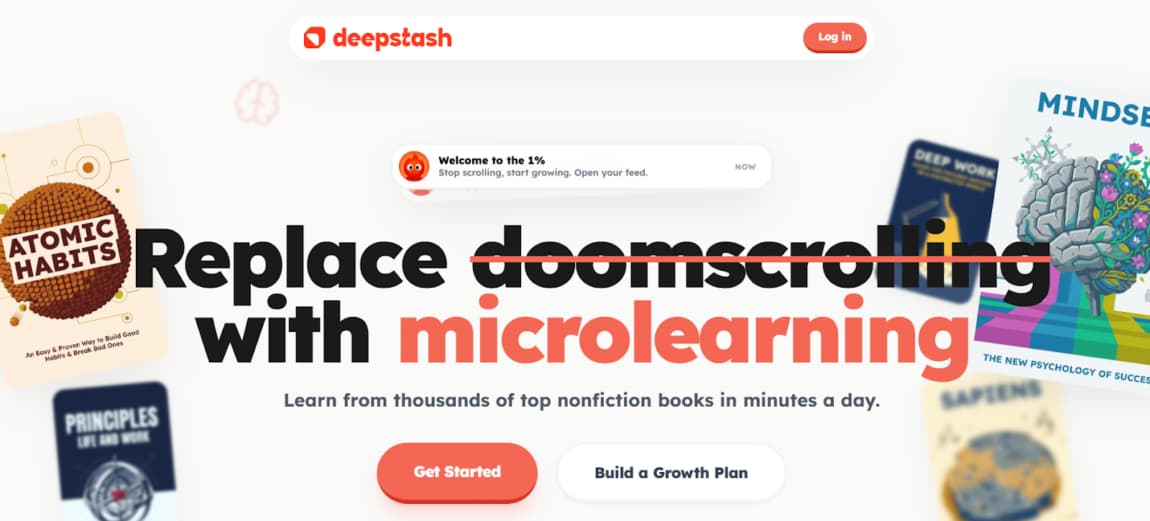
Deepstash takes key points from books, articles, and podcasts and turns them into very short summaries or tips. You read them quickly, save the useful ones to your own stashes, and go back to them anytime. Main categories include productivity, creativity, and wellness.
Pros
- Super-short digestible cards (<60 seconds each)
- Wide coverage: personal dev, business, psychology, creative thinking
- Blend of expert-curated and user-generated insights
- Fully mobile-optimized + offline reading
- Strong free tier with lots of accessible content
Cons
- Idea quality is uneven due to user submissions
- No structured courses or learning progression
- Lacks any interactive elements (quizzes, exercises)
- Focuses only on reading — no tools for applying skills
Conclusion
Micro-learning provides an efficient way to develop personal and professional skills. It uses short, consistent lessons and immediate practice to avoid heavy time demands. Choose a platform based on your main goal — structured self-improvement, creative projects, STEM training, or quick knowledge intake. Regular use turns small daily sessions into measurable long-term improvement.



More Stories
BairesDev alternatives for product companies
Top 3 AI Photo Restoration Tools Compared by Restoration Approach
Finelo Billing Update 2026: Improved Transparency